MPs debate a national briefing on climate and nature risks
A petition calling for a public briefing led by independent experts reached Westminster Hall. The debate put the question of how government communicates risk into the parliamentary record.
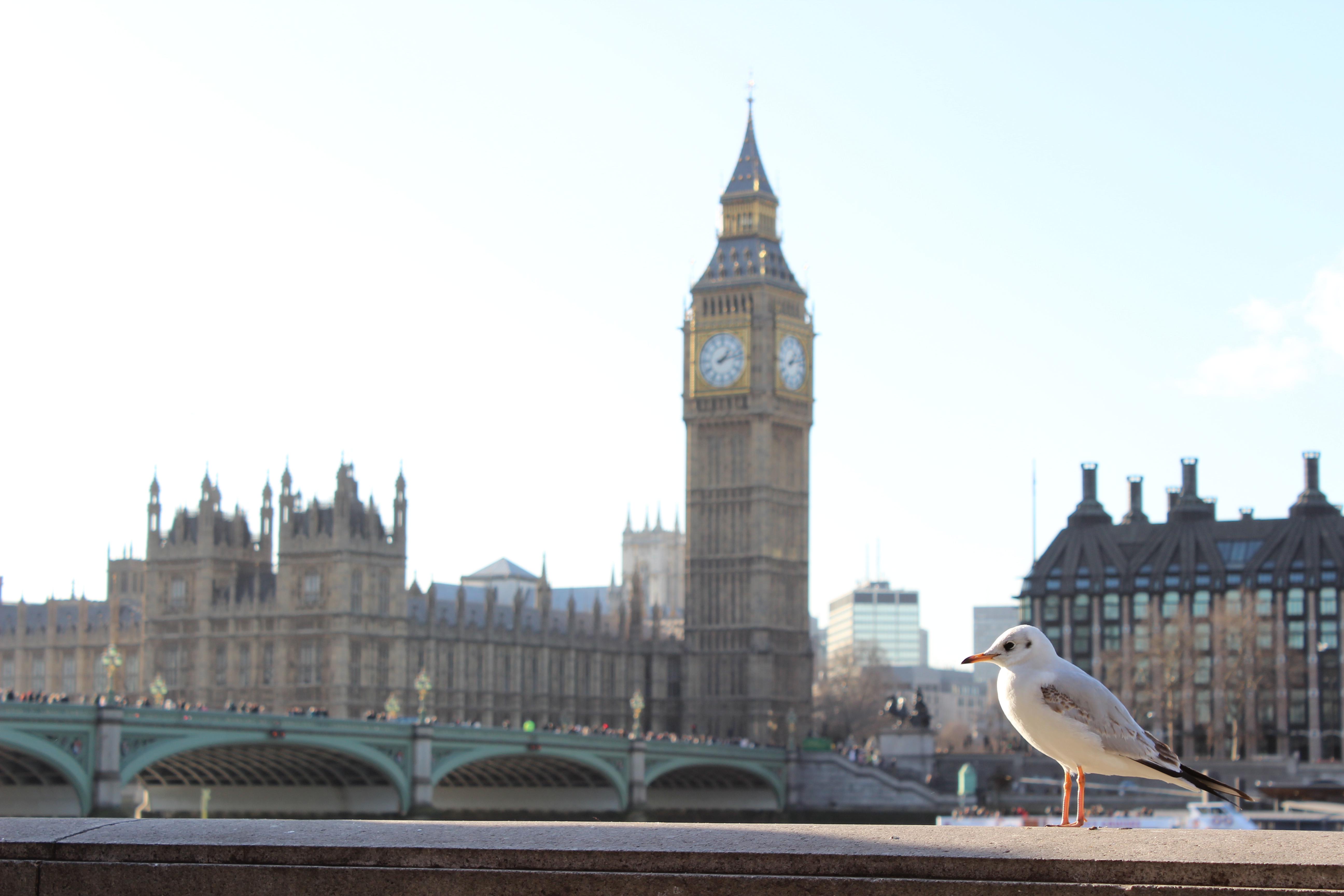
News & analysisMPs debated a petition on Monday calling for a UK-wide public briefing on climate and nature risks. The Westminster Hall debate on 16 November put a specific proposal before MPs: an explanation from independent experts, organised by government and aimed at a general audience. The parliamentary record confirms that MPs considered the petition. Any decision to organise the briefing would require a separate government commitment.
Broadcaster and campaigner Christopher Packham created the petition, which the parliamentary website listed at more than 138,000 signatures when checked. The organisers frame environmental change as a question that reaches into health, food supplies and public safety. Their request concerns how those risks are explained to the public and what people could do with that information.
What campaigners asked for
Liberal Democrat MP Roz Savage opened the debate. She described a new briefing introduced by the prime minister and delivered by independent scientists, with distribution across television, radio and online channels. Savage distinguished that proposal from simply airing footage of an earlier event. The format would matter because it determines who could hear the evidence, in what form and with what opportunity to revisit it.
Parliament listed two select committee reports alongside the debate. One examined wildfire risk and the other looked at coastal erosion. Those topics make the communication challenge concrete. Information about fires may matter most during particular weather conditions, while erosion affects decisions that households and councils may need to make over much longer periods. One briefing would have to convey both kinds of risk without suggesting that every part of the country faces the same hazards.
Analysis
The question is whether a national briefing can give people practical information at the right scale. A map of broad trends may explain why the government is concerned. A family, council or small employer still needs to understand what the evidence says about its own area, who is responsible for action and where to find updates. Making those links clear would matter at least as much as the audience figures for a single broadcast.
A concrete next step would be a published proposal specifying who would select the experts, what evidence the briefing would cover and how regional information would be made available. It could also explain how the public would get answers after the broadcast. Until details of that kind are published, the debate and petition show the level and form of the request. They do not establish a date, a format or a government commitment to hold the event.